Beyond the Pothos, ZZ Plant, and Snake Plant: A Few Houseplants I Love That Are Surprisingly Easy
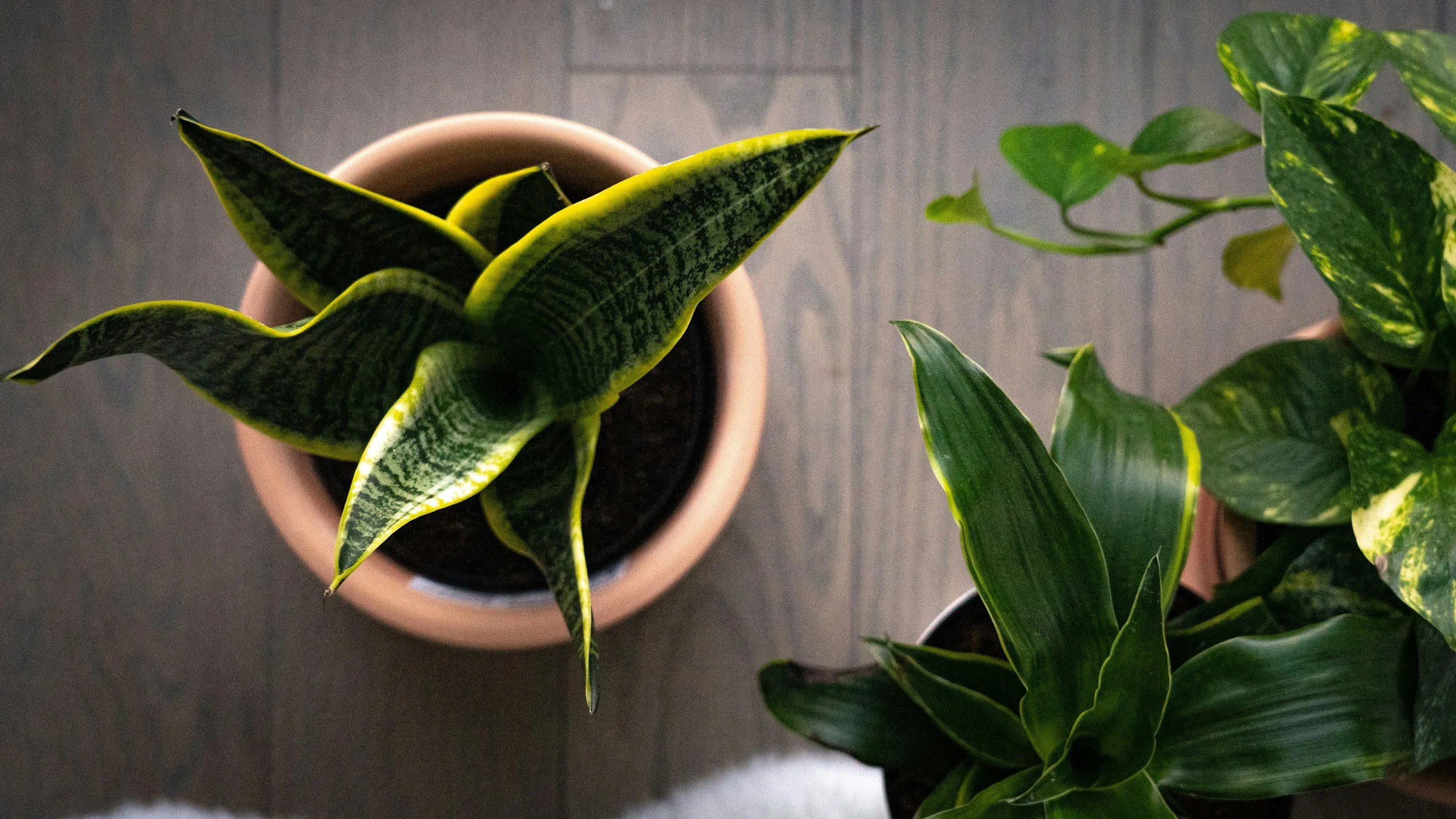
Everyone knows the standard “easy houseplants” list: Pothos, Snake Plant, ZZ Plant. And honestly, they deserve the praise. They’re resilient, adaptable, and forgiving. But there are so many other plants that can thrive indoors without demanding constant attention: plants that bring softness, movement, texture, and a deeper feeling of life into a space.
One thing I always tell people is that easy houseplants are less about finding an indestructible plant and more about finding the right plant for the right place. A dark hallway, a bright kitchen, a humid bathroom, or a sunny window all create completely different conditions. Once you understand that, caring for plants becomes much more intuitive and enjoyable.
Here are a few of my favorite easygoing houseplants beyond the usual trio.
Philodendrons, mais bien sur.
There are so many beautiful philodendrons now, and many are incredibly easy to care for. Heartleaf Philodendron is one of the most forgiving trailing plants you can grow, but even larger varieties like Congo Green or Birkin tend to adapt well indoors.
What makes them easy is their flexibility. Most philodendrons tolerate average indoor humidity, recover well if you forget to water them occasionally, and communicate clearly when they need attention. If the leaves start drooping slightly, it’s usually time for a drink.
Care tip: Bright indirect light is ideal, but many philodendrons tolerate medium light beautifully. Let the soil dry slightly between waterings rather than keeping it constantly wet.
Aglaonema (Chinese Evergreen)
This is one of the most underrated indoor plants, especially for lower-light homes. Aglaonemas have beautiful patterned foliage like silvers, pinks, greens, deep emerald tones, and they hold up remarkably well indoors.
They’re slower growing, which actually makes them easier for many people because they don’t constantly need repotting or pruning.
Care tip: They prefer consistent moisture but hate soggy soil. Think lightly moist, not drenched. They also appreciate stable temperatures and don’t love cold drafts.
Peperomia
Peperomias are wonderful for shelves, desks, and smaller spaces. Their leaves can be rippled, glossy, watermelon-striped, tiny, thick, or almost succulent-like depending on the variety.
What makes them easy is that many store water in their leaves, so they’re far more forgiving than people expect.
Care tip: Overwatering is the biggest issue. They like to dry out more than most tropical houseplants. Smaller pots with excellent drainage help tremendously.
Monstera deliciosa - my absolute favorite
People assume Monsteras are difficult because they’ve become such statement plants, but they’re actually fairly adaptable and resilient once established. Their dramatic split leaves instantly make a room feel alive and lush.
The biggest mistake people make is putting them in a dark corner simply because they tolerate low light. They survive there, but they don’t thrive there.
Care tip: Give them brighter indirect light than you think. Rotate the pot occasionally so the plant grows evenly, and don’t be afraid of aerial roots, that’s part of their character. It’s the best part and I love to show them off!
Ficus elastica (Rubber Tree)
Rubber trees bring a sculptural quality indoors that I absolutely love. Their large glossy leaves make a space feel grounded and calm.
They get a reputation for being fussy, but I think much of that comes from people moving them around too often. Once they acclimate to a spot, they’re surprisingly durable.
Care tip: Consistency is key. They prefer stable conditions and bright filtered light. Water deeply, then allow the soil to dry slightly before watering again.
Bird’s Nest Fern
For people who love a softer, woodland feeling indoors, Bird’s Nest Ferns are beautiful. Their leaves unfurl from the center like ribbons, and they bring movement and texture without feeling rigid or formal.
Unlike fussier ferns, they tolerate average indoor conditions fairly well. When cared for, they are such a statement piece and add to any interior setting.
Care tip: Avoid watering directly into the center crown of the plant. Water the soil around it instead, and give them medium indirect light.
A Few General Houseplant Thoughts
One of the biggest misconceptions about houseplants is that watering on a strict schedule is the best approach. Plants are living things responding to changing conditions: seasons, light, humidity, temperature. A plant may need water weekly in summer and every two weeks in winter.
Touch the soil. Observe the leaves. Slow down enough to notice them.
Also, don’t underestimate the importance of drainage. Beautiful pots without drainage holes are one of the fastest ways to accidentally kill a healthy plant. If you love decorative pottery, use a nursery pot inside it so excess water can drain properly.
And finally, plants should bring joy, not stress. Start with plants that fit your environment and your lifestyle. A thriving easy plant will always be more beautiful than a struggling rare one.
A home filled with plants changes the feeling of a space completely. It softens edges, slows us down, reconnects us to seasonality and care. Even one healthy plant in the right corner can shift the atmosphere of a room.